
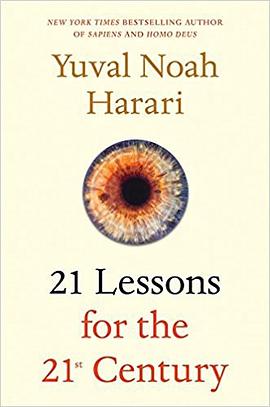

具体描述
In Sapiens, he explored our past. In Homo Deus, he looked to our future. Now, one of the most innovative thinkers on the planet turns to the present to make sense of today's most pressing issues.
How do computers and robots change the meaning of being human? How do we deal with the epidemic of fake news? Are nations and religions still relevant? What should we teach our children?
Yuval Noah Harari's 21 Lessons for the 21st Century is a probing and visionary investigation into today's most urgent issues as we move into the uncharted territory of the future. As technology advances faster than our understanding of it, hacking becomes a tactic of war, and the world feels more polarized than ever, Harari addresses the challenge of navigating life in the face of constant and disorienting change and raises the important questions we need to ask ourselves in order to survive.
In twenty-one accessible chapters that are both provocative and profound, Harari builds on the ideas explored in his previous books, untangling political, technological, social, and existential issues and offering advice on how to prepare for a very different future from the world we now live in: How can we retain freedom of choice when Big Data is watching us? What will the future workforce look like, and how should we ready ourselves for it? How should we deal with the threat of terrorism? Why is liberal democracy in crisis?
Harari's unique ability to make sense of where we have come from and where we are going has captured the imaginations of millions of readers. Here he invites us to consider values, meaning, and personal engagement in a world full of noise and uncertainty. When we are deluged with irrelevant information, clarity is power. Presenting complex contemporary challenges clearly and accessibly, 21 Lessons for the 21st Century is essential reading.
用户评价
##市侩地讲,这本书里的话题很适合去填满工作场合里与工作无关的闲聊...(至少我的工作午餐都是和四五十岁的人讨论这些...sigh
评分##1.这名字太坑爹了,让人想起火车站小书摊一排又一排的成功学。。。2.找回了看人类简史的感觉,就是“空空的。。”(空空的就是我给人类简史的短评),就是又把一切打了个稀巴烂。3.有些对未来教育的段落有启发意义,小本本已抄下。4.这本书我看的很慢,somehow就把每一个意义and/or读音不是很有把握的词全都查了kindle字典,我觉得很多很实用的non fiction vocabulary. 5.到最后,哎哟喂,全书就是内观的软文呢哈哈哈。。。。总体还是享受了读这本书的经验。
评分##盖茨18年底推荐书之一,作者观点不错的,但这不是一本好书,3.5星。这本书是对以前作者Q&A的整理,很多话翻来覆去说,明明可以精简提炼
评分整本书感觉还是太空洞. 很多小essays串起来的, 质量参差不齐, 有的章读起来还算有趣 (例子好). 讲了半天最后收敛到了meditation这种玄乎的东西上面了, 也没拿出个办法. 叫做*lessons*太过了. 也许适合科普给中小学生看看...
评分##市侩地讲,这本书里的话题很适合去填满工作场合里与工作无关的闲聊...(至少我的工作午餐都是和四五十岁的人讨论这些...sigh
评分##或许是自己和作者共享许多看法的缘故,这些essay读起来没有Sapiens时的惊艳,但是在似乎愈发混乱的当下读到清醒的文字也算是一份慰藉。这个时代有这个时代的荒唐,但若有更多的人愿意尝试跳出自我,国家,文化,宗教等等的狭隘眼界,或许未来犹待可期。
评分整本书感觉还是太空洞. 很多小essays串起来的, 质量参差不齐, 有的章读起来还算有趣 (例子好). 讲了半天最后收敛到了meditation这种玄乎的东西上面了, 也没拿出个办法. 叫做*lessons*太过了. 也许适合科普给中小学生看看...
评分##All too familiar. All too agreeable. 所以赶忙找一本Intellectuals and society出来给自己敲敲钟。
评分##那些奇怪本书最后为什么是禅修的人根本就没有看懂Yuval——他的根本思想就是佛学的,他的第一本书,就像力学对数学来讲是应用数学一样,他的人类学简直可以说是应用佛学。当然,如果你眼中的佛学是烧香求佛观音送子,那么我们说的不是一件事。甚至也不是说不得讲不清的禅理,看不见摸不着的开悟。
相关图书










本站所有内容均为互联网搜索引擎提供的公开搜索信息,本站不存储任何数据与内容,任何内容与数据均与本站无关,如有需要请联系相关搜索引擎包括但不限于百度,google,bing,sogou 等
© 2026 book.tinynews.org All Rights Reserved. 静思书屋 版权所有