

具體描述
NEW YORK TIMES BESTSELLER
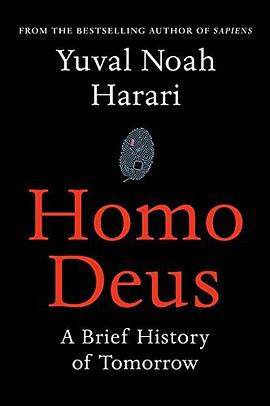
Yuval Noah Harari, author of the critically-acclaimed New York Times bestseller and international phenomenon Sapiens, returns with an equally original, compelling, and provocative book, turning his focus toward humanity’s future, and our quest to upgrade humans into gods.
Over the past century humankind has managed to do the impossible and rein in famine, plague, and war. This may seem hard to accept, but, as Harari explains in his trademark style—thorough, yet riveting—famine, plague and war have been transformed from incomprehensible and uncontrollable forces of nature into manageable challenges. For the first time ever, more people die from eating too much than from eating too little; more people die from old age than from infectious diseases; and more people commit suicide than are killed by soldiers, terrorists and criminals put together. The average American is a thousand times more likely to die from binging at McDonalds than from being blown up by Al Qaeda.
What then will replace famine, plague, and war at the top of the human agenda? As the self-made gods of planet earth, what destinies will we set ourselves, and which quests will we undertake? Homo Deus explores the projects, dreams and nightmares that will shape the twenty-first century—from overcoming death to creating artificial life. It asks the fundamental questions: Where do we go from here? And how will we protect this fragile world from our own destructive powers? This is the next stage of evolution. This is Homo Deus.
With the same insight and clarity that made Sapiens an international hit and a New York Times bestseller, Harari maps out our future.
用戶評價
##一瓶高濃度的心靈硫酸
評分##寫曆史水平的高低在於能否對同一曆史事件的多角度觀察。
評分##過去一個月在上班的公交車上斷斷續續讀完。人類未來的命運道路或許從來沒有像現在這樣充滿不確定性,但能夠親眼見證Dataism對Humanism的衝擊,也是這個時代給我們的最大福利。接下來打算讀這個作者的前一本書Sapiens
評分想起Coursera一門耶魯開的美國憲法課上教授說到,率先給予女性選舉權的是西部的懷俄明和猶他州,因為男女人口差距懸殊,目的是吸引女性前來定居。人權當然是靠爭取來的,但它並不天生正確,而是因為有需要。哲學推理不能證明人人生而平等,之所以認可是因為權衡之後還是這樣比較好。古時未必沒有誕生過人文主義者,隻是沒有發展的土壤。事情會發生是因為可以,不是因為正確,如果人類可以被拋棄,為什麼不?會有新的理論來為此作支撐。
評分##角度的確很宏大 可以受到不少啓發 作者太博學瞭 同時又講的淺顯易懂 服
評分##看過homo sapeisns或沒時間的話可以直接看第三章,腦洞蠻大的。當然,還是沒改稍嫌囉嗦的毛病……
評分##前麵部分真是有點囉嗦瞭,作者屬於舉例子狂人,幸好最後一部分提齣瞭幾個挺有意思的觀點補迴票價,總體是推薦的。
評分##寫曆史水平的高低在於能否對同一曆史事件的多角度觀察。
評分##一瓶高濃度的心靈硫酸
相關圖書













本站所有内容均为互联网搜索引擎提供的公开搜索信息,本站不存储任何数据与内容,任何内容与数据均与本站无关,如有需要请联系相关搜索引擎包括但不限于百度,google,bing,sogou 等
© 2026 book.tinynews.org All Rights Reserved. 静思书屋 版权所有