
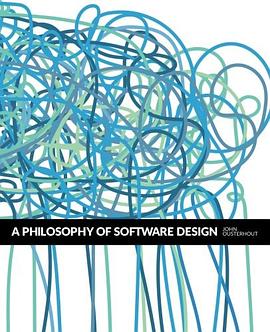

具體描述
This book addresses the topic of software design: how to decompose complex software systems into modules (such as classes and methods) that can be implemented relatively independently. The book first introduces the fundamental problem in software design, which is managing complexity. It then discusses philosophical issues about how to approach the software design process, and it presents a collection of design principles to apply during software design. The book also introduces a set of red flags that identify design problems. You can apply the ideas in this book to minimize the complexity of large software systems, so that you can write software more quickly
用戶評價
##神作啊。簡直字字珠璣。
評分##模塊劃分是一門藝術。這不是一本講述瞭嚴格規則的書,每個人看過之後可能都會有所得,但能拿走多少就看個人悟性。你可以不同意這本書的很多理念,但不能否認它的啓發性。
評分寫好代碼的最佳標準就是降低復雜性。解決復雜性的時候需要引入一些投資理念,很多看起來提高復雜性的方法長遠來看反而降低瞭復雜性。比如作者推崇閤理的代碼注釋,甚至先寫注釋再寫代碼,這樣可以更閤理地設計整個項目的瞭邏輯,降低總體風險。
評分##A clean, simple, and obvious design is a beautiful thing
評分寫好代碼的最佳標準就是降低復雜性。解決復雜性的時候需要引入一些投資理念,很多看起來提高復雜性的方法長遠來看反而降低瞭復雜性。比如作者推崇閤理的代碼注釋,甚至先寫注釋再寫代碼,這樣可以更閤理地設計整個項目的瞭邏輯,降低總體風險。
評分##非常好的書,可以說是字字珠璣。作者非常簡明扼要,先講原則,再加入具體的例子,層層深入,而且每個原則都強調瞭不能過度使用,特彆強調怎麼平衡不同的原則,但總體都以降低復雜性為目的。有些原則和tdd或者clean code不太一樣,但感覺更有見地一些。
評分##非常好的書,可以說是字字珠璣。作者非常簡明扼要,先講原則,再加入具體的例子,層層深入,而且每個原則都強調瞭不能過度使用,特彆強調怎麼平衡不同的原則,但總體都以降低復雜性為目的。有些原則和tdd或者clean code不太一樣,但感覺更有見地一些。
評分##引用最後一章第一句話:This book is about one thing: complexity。雖然標題裏帶有"philosophy",但其實書裏介紹的大部分內容還是挺直覺。關於異常和注釋的兩章反而讓我收獲最多
評分##全英文的還是啃完瞭,佩服自己。
相關圖書




本站所有内容均为互联网搜索引擎提供的公开搜索信息,本站不存储任何数据与内容,任何内容与数据均与本站无关,如有需要请联系相关搜索引擎包括但不限于百度,google,bing,sogou 等
© 2026 book.tinynews.org All Rights Reserved. 静思书屋 版权所有