
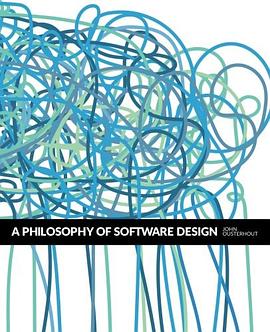

具体描述
This book addresses the topic of software design: how to decompose complex software systems into modules (such as classes and methods) that can be implemented relatively independently. The book first introduces the fundamental problem in software design, which is managing complexity. It then discusses philosophical issues about how to approach the software design process, and it presents a collection of design principles to apply during software design. The book also introduces a set of red flags that identify design problems. You can apply the ideas in this book to minimize the complexity of large software systems, so that you can write software more quickly
用户评价
##提供了一些新的视角,有借鉴意义。
评分##神作啊。简直字字珠玑。
评分##短小精悍,字字珠玑。
评分##新入行的程序员应该看看,都是些老调重弹
评分##"The first is to describe the nature of software complexity ... The book’s second, and more challenging, goal is to present techniques you can use during the software development process to minimize complexity."/"...the increments of development should be abstraction, not features..."/这本书着重强调软件系统设计的目标是控制住系统内部的复杂度。比较少讨论功能和性能。
评分##神作啊。简直字字珠玑。
评分##模块划分是一门艺术。这不是一本讲述了严格规则的书,每个人看过之后可能都会有所得,但能拿走多少就看个人悟性。你可以不同意这本书的很多理念,但不能否认它的启发性。
评分##同组的斯坦福小伙大学时上过作者的课,强烈推荐了本书。书虽薄了些,但收获不小。
评分##非常好的书,可以说是字字珠玑。作者非常简明扼要,先讲原则,再加入具体的例子,层层深入,而且每个原则都强调了不能过度使用,特别强调怎么平衡不同的原则,但总体都以降低复杂性为目的。有些原则和tdd或者clean code不太一样,但感觉更有见地一些。
相关图书




本站所有内容均为互联网搜索引擎提供的公开搜索信息,本站不存储任何数据与内容,任何内容与数据均与本站无关,如有需要请联系相关搜索引擎包括但不限于百度,google,bing,sogou 等
© 2026 book.tinynews.org All Rights Reserved. 静思书屋 版权所有