具體描述
基本信息
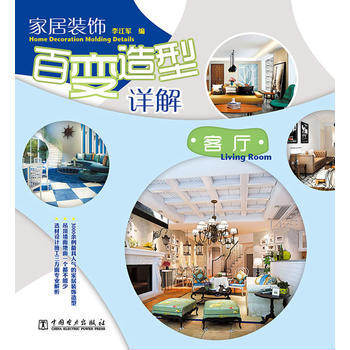
書名:客廳細節設計3000例 客廳風格設計
定價:32.00元
作者:李江軍
齣版社:中國電力齣版社
齣版日期:2014-06-01
ISBN:9787512357815
字數:
頁碼:
版次:1
裝幀:平裝
開本:12開
商品重量:0.4kg
編輯推薦
內容提要
《客廳細節設計3000例 客廳風格設計》精選知名設計師的*客廳設計作品,每張圖片均標有詳細的材料說明。書中涉及的文字內容為目前傢庭裝修中熱點受關注的設計及施工注意事項,每一條都是非常實用的設計經驗,能對讀者在實際的裝修施工中起到指導性的作用。
目錄
作者介紹
文摘
序言
《空間靈感:現代傢居的藝術與哲學》 一、 Preface: A New Horizon in Home Aesthetics In the tapestry of human existence, the home stands as a sanctuary, a canvas upon which we paint our lives, our dreams, and our very identities. More than mere bricks and mortar, a dwelling is a living entity, shaped by the rhythms of its inhabitants, imbued with their stories, and reflecting their evolving aspirations. The pursuit of an aesthetically pleasing and functionally harmonious living space is not a fleeting trend, but a timeless human endeavor. It is an exploration of beauty, comfort, and the profound connection between our inner world and the external environment we curate. "Space Inspiration: The Art and Philosophy of Modern Homes" emerges from this very understanding. It is not a mere collection of decorative ideas, nor a prescriptive manual dictating trends. Instead, it is an invitation – an invitation to embark on a thoughtful journey into the very essence of what makes a house a home, and a home a reflection of its soul. This book delves into the nuanced interplay of form, function, emotion, and personal narrative that shapes our living spaces in the contemporary era. It seeks to empower readers with the understanding and confidence to imbue their homes with a unique character, a palpable sense of belonging, and an enduring sense of beauty. The modern home is a dynamic entity, constantly adapting to the evolving demands of our lifestyles, the influx of new technologies, and our deepening understanding of human well-being. As we navigate this ever-changing landscape, the need for intelligent, inspired, and deeply personal design solutions becomes paramount. "Space Inspiration" addresses this need by transcending superficial aesthetics, probing the underlying principles that govern successful interior design. It explores how we can create environments that not only look good but also feel good, spaces that nurture our minds, bodies, and spirits. This book is for anyone who believes that their home should be more than just a place to reside. It is for those who understand that the details, the choices, and the thoughtful curation of their surroundings can profoundly impact their quality of life. Whether you are a homeowner embarking on a renovation, an aspiring designer seeking to refine your vision, or simply someone who finds joy in the art of living beautifully, "Space Inspiration" offers a wealth of insights and a renewed perspective on the potential of your own living space. It is a testament to the fact that with a deeper understanding and a touch of inspiration, every home can become a masterpiece, a true reflection of the people who call it their own. 二、 Chapter 1: The Essence of Modern Living: Beyond Trends and Towards Timelessness The contemporary home is a complex organism, designed to accommodate a multitude of activities, cater to diverse needs, and serve as a sanctuary from the external world. In an era saturated with fleeting design trends and ever-changing fads, it is crucial to anchor our design choices in principles that possess enduring relevance. This chapter, "The Essence of Modern Living: Beyond Trends and Towards Timelessness," embarks on a foundational exploration of what truly defines successful modern residential design. We begin by dismantling the notion that design is solely about superficial aesthetics. Instead, we delve into the philosophy that underpins a truly inspiring living space. This involves understanding the symbiotic relationship between architecture and interior design, recognizing that the structural framework of a home lays the groundwork for its internal narrative. We examine how the principles of good design extend beyond mere visual appeal, encompassing aspects like spatial flow, natural light optimization, acoustic considerations, and the intelligent integration of technology. The concept of "timelessness" is central to our discussion. In a world that often prioritizes the new and the novel, we champion design that transcends the ephemeral. This is not about avoiding contemporary elements, but rather about making informed choices that possess a lasting appeal. We explore how to achieve this through a considered use of materials, a balanced approach to color palettes, and the selection of furniture and décor that are both functional and possess an inherent aesthetic quality. The goal is to create spaces that feel current and relevant for years to come, rather than quickly becoming dated. Furthermore, this chapter addresses the evolving nature of modern living. Our homes are no longer solely passive backdrops to our lives; they are active participants. They serve as home offices, entertainment hubs, personal gyms, and spaces for quiet contemplation. Consequently, design must be inherently adaptable and responsive to these multifaceted demands. We explore strategies for creating flexible spaces, incorporating modular furniture, and designing for the seamless integration of smart home technologies that enhance convenience and efficiency without compromising on aesthetic integrity. The chapter also emphasizes the profound psychological impact of our living environments. We investigate how thoughtful design can foster a sense of well-being, reduce stress, and enhance productivity. This includes understanding the principles of biophilic design, which seeks to connect occupants with nature through the incorporation of natural elements, light, and views. We also touch upon the importance of creating moments of calm and rejuvenation within the home, and how strategic design choices can facilitate this. Ultimately, "The Essence of Modern Living" aims to equip readers with a conceptual framework for approaching their own design endeavors. It encourages a shift from a reactive, trend-driven mindset to a proactive, principle-led approach. By understanding the core tenets of timeless and responsive design, individuals can begin to envision and create homes that are not only beautiful but also deeply functional, personally meaningful, and enduringly inspiring. This chapter sets the stage for the subsequent explorations into specific areas of the home, providing the philosophical underpinnings for all that is to follow. 三、 Chapter 2: Curating Comfort: The Art of Creating Inviting and Functional Spaces Beyond the overarching principles of modern living, the true heart of a home lies in its ability to evoke a sense of comfort and invitation. This chapter, "Curating Comfort: The Art of Creating Inviting and Functional Spaces," delves into the tangible elements and subtle nuances that transform a house into a welcoming haven. It is here that we move from the theoretical to the practical, exploring how to imbue each area of the home with warmth, personality, and effortless functionality. Comfort is not a singular concept; it is a multi-sensory experience. It begins with the tactile quality of materials. We explore the diverse range of fabrics, textures, and finishes that can elevate a space from merely adequate to luxuriously inviting. From the plushness of a velvet sofa to the warmth of natural wood flooring, the selection of materials plays a crucial role in shaping the sensory experience of a room. This section examines how to balance these tactile elements to create a harmonious and pleasing environment. The judicious use of color is another cornerstone of creating an inviting atmosphere. We move beyond simply selecting a favorite shade and explore the psychological impact of color. This includes understanding how different hues can influence mood, perception of space, and overall ambiance. The chapter offers guidance on developing balanced and sophisticated color palettes that promote relaxation, energy, or intimacy, depending on the intended purpose of the space. We also discuss the effective application of accent colors and the power of subtle variations in tone. Lighting, often overlooked, is a potent tool in the designer's arsenal for creating comfort and ambiance. This section explores the science and art of lighting design, moving beyond basic illumination. We examine the interplay of natural light and artificial light, understanding how to layer light sources to create depth, highlight architectural features, and evoke specific moods. From ambient lighting that sets a general tone to task lighting that facilitates specific activities and accent lighting that draws attention to focal points, a well-designed lighting scheme is essential for a truly comfortable space. Functionality, while distinct from comfort, is inextricably linked. A space that is beautiful but impractical can quickly become a source of frustration. This chapter emphasizes the importance of designing for the intended use of each area. We explore how to optimize furniture placement for ease of movement and conversation, how to incorporate ample and intelligent storage solutions that remain discreet, and how to ensure that every element serves a purpose, contributing to the overall efficiency and ease of living. The concept of "personalization" is also woven throughout this chapter. A truly inviting home reflects the personality and passions of its inhabitants. We discuss how to incorporate elements that tell a story, whether through art, photographs, cherished objects, or collections. This is not about clutter, but about thoughtful curation that adds character and warmth. The goal is to create spaces that feel lived-in, authentic, and deeply personal. Ultimately, "Curating Comfort" aims to empower readers with the knowledge and inspiration to create spaces that are not only aesthetically pleasing but also deeply enjoyable to inhabit. By understanding the interplay of materials, color, light, and intelligent functionality, and by embracing the power of personal expression, individuals can cultivate homes that are true sanctuaries of comfort and invitation. This chapter provides the practical wisdom needed to translate the philosophical ideals of modern living into tangible, everyday realities. 四、 Chapter 3: The Art of Connection: Designing for Social Interaction and Intimate Moments Our homes are not solitary retreats; they are also vibrant hubs for connection, where we share moments with loved ones, entertain guests, and forge lasting memories. This chapter, "The Art of Connection: Designing for Social Interaction and Intimate Moments," explores the nuanced ways in which interior design can foster and enhance these vital human interactions. It is about creating spaces that encourage conversation, facilitate shared experiences, and offer havens for both lively gatherings and quiet intimacy. The foundation of designing for connection lies in understanding the flow of people within a space. This section delves into the principles of spatial planning that promote natural movement and encourage interaction. We examine how furniture arrangement can dictate the dynamics of a room, creating opportunities for engagement rather than isolation. This includes considerations for creating comfortable seating arrangements that facilitate conversation, designing open-plan layouts that encourage a sense of togetherness, and ensuring that pathways are clear and inviting. Beyond mere spatial arrangement, the ambiance of a space plays a significant role in its social potential. We explore how various design elements, from lighting to décor, can influence the mood and energy of a room, making it more conducive to either lively social gatherings or more intimate exchanges. This might involve using warmer, more subdued lighting for relaxed evenings, incorporating elements that spark conversation and interest, or designating specific zones within a larger space to cater to different types of interaction. The chapter also addresses the importance of creating dedicated areas for different social activities. Whether it's a well-appointed dining area for shared meals, a cozy corner for intimate conversations, or an entertainment space for shared leisure, thoughtful design can provide the perfect backdrop for a variety of social engagements. We explore how to equip these areas with the necessary functionality and aesthetic appeal to make them welcoming and conducive to enjoyment. Furthermore, "The Art of Connection" delves into the psychological aspects of hospitality. How can we design our homes to make guests feel immediately at ease and welcomed? This involves considering details such as comfortable seating, accessible amenities, and a general sense of order and tranquility. It is about creating an environment where people feel relaxed enough to be themselves and to engage authentically with others. Conversely, the chapter also acknowledges the importance of designing for intimate moments within the home. While social interaction is vital, so too is the ability to create spaces that nurture personal relationships and provide a sense of private sanctuary. This might involve designing cozy nooks for quiet conversations, creating comfortable and inviting bedrooms that foster relaxation and intimacy, or ensuring that private spaces offer a sense of privacy and tranquility. Ultimately, this chapter encourages a holistic approach to designing for connection. It is about understanding that every design decision, from the grandest architectural feature to the smallest decorative detail, has the potential to impact how we interact with others and how we experience our most cherished moments. By thoughtfully curating spaces that encourage engagement, facilitate comfort, and celebrate intimacy, individuals can transform their homes into environments that truly enrich their social lives and deepen their connections with those they hold dear. 五、 Chapter 4: The Personal Touch: Infusing Your Home with Individuality and Story In an era where mass-produced items and fleeting trends can sometimes lead to a homogenization of design, the true power of a home lies in its ability to tell a unique story – the story of its inhabitants. This chapter, "The Personal Touch: Infusing Your Home with Individuality and Story," is dedicated to the art of imbuing your living space with your own personality, passions, and life experiences. It is about moving beyond generic aesthetics and cultivating a home that is unequivocally yours. The cornerstone of personalizing your home is self-awareness. Before you can express your individuality through design, you must first understand what makes you, you. This involves reflecting on your personal style, your hobbies, your travels, and the things that bring you joy. What are your favorite colors, textures, and forms? What experiences have shaped your aesthetic sensibilities? This chapter encourages a process of introspection, prompting readers to identify their core values and preferences that will guide their design choices. One of the most potent ways to infuse a home with personality is through the thoughtful selection and display of art and decorative objects. This goes beyond simply hanging a pretty picture; it's about choosing pieces that resonate with you on an emotional level. We explore how to curate a collection that reflects your interests, whether it's contemporary art, vintage finds, handmade crafts, or personal photographs. The strategic placement and arrangement of these items can transform a room into a visual narrative, sparking conversation and offering glimpses into your unique world. The use of color is also a deeply personal endeavor. While Chapter 2 explored color palettes for ambiance, this chapter emphasizes how to use color as an expression of your individual spirit. This might involve embracing bold and vibrant hues that reflect an energetic personality, opting for calming and serene tones that convey a sense of peace, or using a sophisticated and understated palette that speaks to a refined sensibility. The key is to choose colors that feel authentic to you and that contribute to the overall emotional tenor of your home. Materials and textures also offer a powerful avenue for personal expression. Do you gravitate towards the warmth and natural beauty of wood, the sleekness of metal, the softness of textiles, or the roughness of stone? This chapter encourages readers to select materials that appeal to their senses and reflect their desired atmosphere. Combining different textures can create visual interest and tactile richness, further enhancing the personal character of a space. Furthermore, this chapter delves into the concept of "storytelling" within the home. How can your living space narrate the journey of your life? This might involve displaying souvenirs from cherished travels, showcasing heirlooms that carry family history, or incorporating elements that represent significant milestones. These are not merely decorative items; they are anchors that connect you to your past, your present, and your aspirations for the future. Finally, "The Personal Touch" emphasizes that creating an individualistic home is an ongoing process. It is not about achieving a static, "finished" look, but about continuously evolving and adapting your space as you grow and change. It is about embracing imperfection, allowing your home to develop organically, and most importantly, creating a sanctuary that feels genuinely and profoundly like your own. By embracing these principles, readers can transform their houses into vibrant, living testaments to their unique selves. 六、 Conclusion: The Enduring Legacy of a Well-Designed Home As we conclude our exploration in "Space Inspiration: The Art and Philosophy of Modern Homes," we arrive at a profound understanding: a well-designed home is far more than a mere collection of stylish furnishings or a successful execution of design principles. It is a living, breathing entity, deeply intertwined with the lives of its inhabitants, a testament to their aspirations, and a sanctuary that nurtures their well-being. The journey we have undertaken has transcended superficial trends, delving into the timeless philosophy that underpins truly impactful residential design. We have established that modern living demands spaces that are not only aesthetically pleasing but also inherently functional, adaptable, and responsive to our multifaceted lifestyles. The essence of timeless design lies in its ability to transcend the ephemeral, creating environments that resonate with enduring appeal and offer a sense of stability in a constantly changing world. By understanding the principles of spatial flow, natural light, and material integrity, we can lay the groundwork for homes that are both beautiful and profoundly practical. The art of curating comfort has revealed that true invitation stems from a sensory experience – the tactile embrace of carefully selected materials, the harmonious symphony of color, and the nuanced interplay of light. It is in these details that a house transforms into a welcoming haven, a place where one can truly unwind, recharge, and feel at ease. Functionality, far from being a secondary consideration, is the bedrock upon which comfort is built, ensuring that our living spaces seamlessly support our daily lives. Our exploration into the art of connection has highlighted the vital role our homes play in fostering social interaction and intimate moments. By thoughtfully designing spaces that encourage dialogue, facilitate shared experiences, and offer havens for both lively gatherings and quiet contemplation, we enrich our relationships and cultivate a deeper sense of community within our own walls. The ability to create environments that embrace both extroverted engagement and introverted repose is a hallmark of inspired design. Finally, the profound power of the personal touch has underscored the fact that a home's true character emerges from its individuality. By infusing our spaces with our unique stories, passions, and life experiences, we create environments that are not only aesthetically pleasing but also deeply meaningful and authentic. This personalization transforms a house into a reflection of its inhabitants, a vibrant narrative woven through art, objects, and chosen palettes. The legacy of a well-designed home is enduring. It is a legacy of comfort that soothes, of connection that enriches, and of individuality that celebrates. It is a space that supports our growth, reflects our journey, and provides a consistent source of joy and inspiration. "Space Inspiration" has aimed to provide the tools, the understanding, and the encouragement for readers to embark on this transformative process. May your homes become not just structures, but vibrant extensions of yourselves, filled with beauty, functionality, and the unwavering spirit of personal expression. The art of creating such spaces is an ongoing dialogue, a continuous exploration, and ultimately, one of the most rewarding endeavors we can undertake.